Welcome to the Journey of Financial Mastery
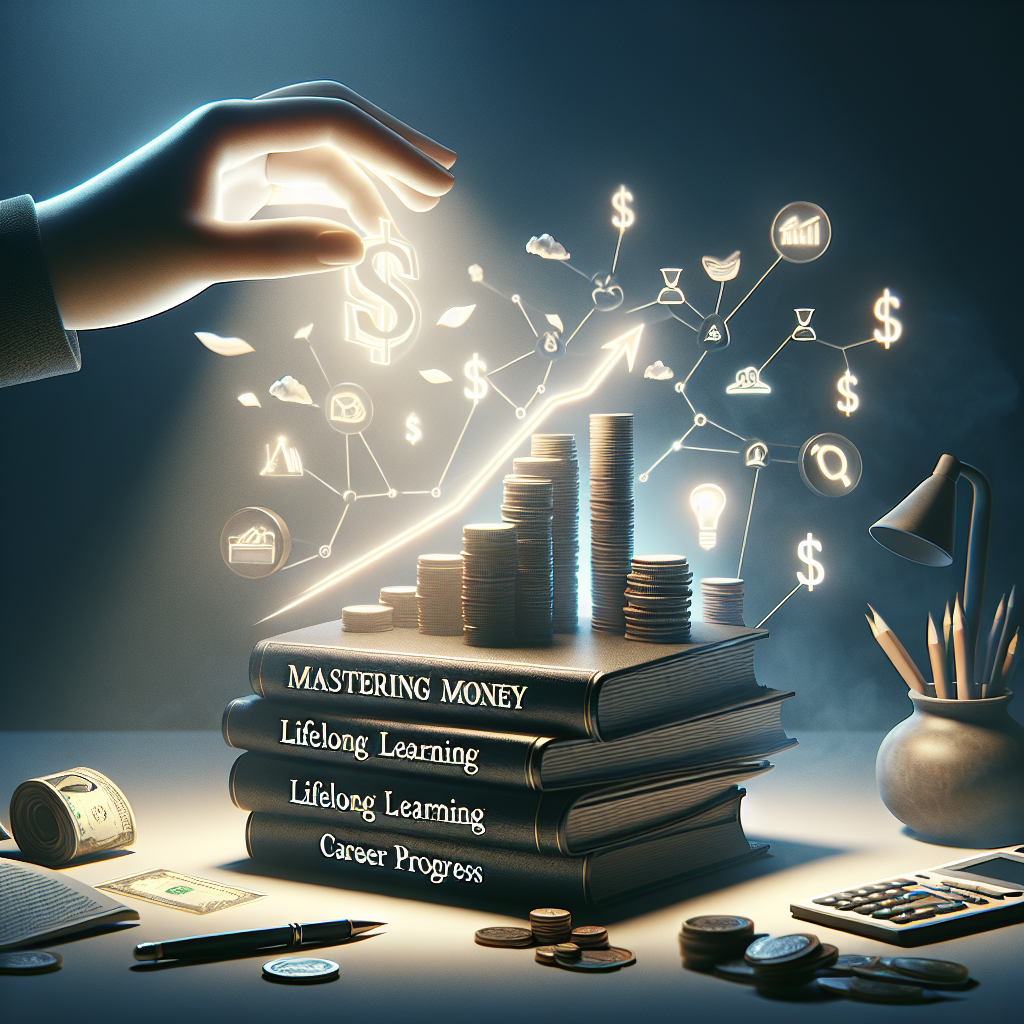
Imagine this: You’re sitting by the window, sipping your favorite beverage, watching as your investments grow, and your career blossoms. Sounds dreamy, right? In a world where the only constant is change, one thing remains clear—mastering money through lifelong learning can turn this dream into reality.
Lifelong learning isn’t just a buzzword; it’s a crucial strategy for staying ahead in an ever-evolving professional landscape. According to a report by the World Economic Forum, 65% of children entering primary school today will work in jobs that don’t yet exist. For professionals, this means continuous learning is not just beneficial—it’s essential.
Why Lifelong Learning?
Continuous education equips you with the tools to adapt to new challenges and opportunities. Whether it’s picking up a new skill, understanding the latest market trends, or navigating industry changes, staying informed and adaptable gives you a competitive edge.
Ways to Engage in Lifelong Learning
- Formal Education: Enroll in online courses or degree programs.
- Informal Learning: Attend webinars, read industry publications, or participate in workshops.
- Peer Learning: Join professional networks or discussion groups to share knowledge and experiences.
Applying Lifelong Learning to Boost Your Career
Advancing Your Career through Knowledge
How about a career upgrade? Lifelong learning can be your jetpack. By acquiring new skills, you enhance your resume and increase your value to employers. For instance, mastering data analytics or learning a new programming language can open doors to higher-paying roles and leadership positions.
Moreover, continuous learning helps you develop a growth mindset, making you more resilient to workplace challenges. It shows employers you’re proactive about personal development, making you a prime candidate for promotions.
Networking and Learning Go Hand in Hand
Through courses and seminars, you meet professionals with similar aspirations. This networking enables you to exchange ideas, collaborate on projects, and potentially find mentors who can guide your career journey. Remember, sometimes it’s not just what you know, but who you know.
The Financial Rewards of Lifelong Learning
Monetizing Your Skills
Every new skill you acquire has potential monetary value. Imagine you’re an accountant who learns coding, enabling you to automate processes. Your employer might reward this new skill with a raise or bonus. Alternatively, your skillset could facilitate a side hustle or freelance work, diversifying your income streams.
The Investment Mindset
Understanding personal finance is another area ripe for lifelong learning. Becoming literate in investment strategies or retirement planning can significantly impact your financial future. For example, learning about index funds, real estate, or cryptocurrency can guide you in making informed decisions that grow your wealth.
Remember the words of Warren Buffett: “The best investment you can make is in yourself.” By investing time and energy in learning about finance, you empower yourself to make smarter financial decisions that pay dividends over time.
Leveraging Technology for Financial Growth
In today’s digital age, numerous tools and platforms can help you manage finances better. Utilizing apps for budgeting, investment tracking, or learning management systems to enhance your skills can streamline your journey to financial mastery. Technology not only aids learning but also facilitates practical application, helping you get the most out of your monetary gains.
Breaking Down Barriers to Learning
Overcoming Challenges
While the benefits of lifelong learning are clear, challenges like time constraints, financial limitations, or self-doubt can arise. Prioritize your learning by setting realistic goals, such as dedicating an hour a week to online courses or setting a monthly budget for educational resources.
Utilize free resources such as library access, open courseware, or scholarships to minimize financial barriers. Remember, every step toward learning is a step toward empowerment.
Creating Your Personalized Learning Plan
Setting SMART Goals
Develop a personalized learning plan by setting SMART (Specific, Measurable, Achievable, Relevant, Time-bound) goals. Instead of a vague aim like “learn finance,” target “complete a course on personal investing by the end of this quarter.”
Track Your Progress
Maintain a journal or digital tracker to record your learning milestones. Celebrating small wins keeps you motivated and highlights areas for improvement.
Consider joining a study group or finding a learning partner to stay accountable and make the process more enjoyable. Remember, learning is a lifelong journey, not a destination.
Mastering money through lifelong learning is a powerful way to boost both your career and your bank account. By committing to continuous education, you expand your horizons, enhance your professional value, and set yourself on a path to financial freedom and career satisfaction.
Author’s Note: This article was generated with AI assistance and reviewed by the editorial team.


